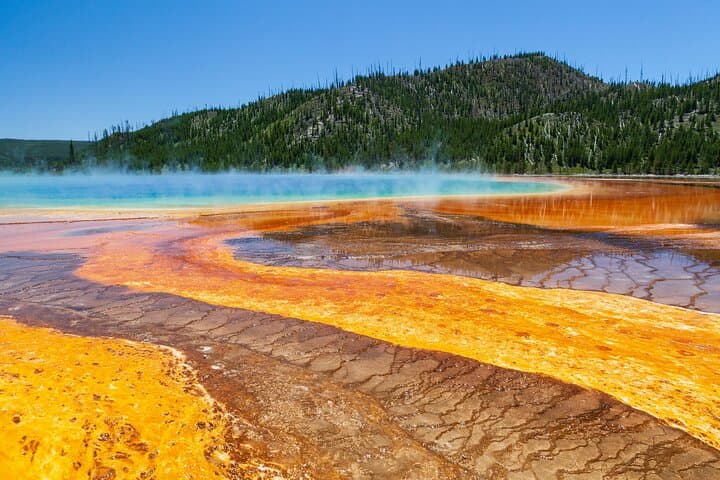
Greater Yellowstone Ecosystem Adventures
The Greater Yellowstone Ecosystem is one of the largest nearly intact temperate-zone ecosystems on Earth, offering an unparalleled blend of geological wonders and diverse wildlife.
Popular Activities
Plan Your Visit
Everything you need to know to prepare for an unforgettable trip to Greater Yellowstone Ecosystem.
Entrance Requirements
Entrance fee required or national park pass accepted
Best Time to Visit
Summer is most popular for accessibility, while fall offers stunning foliage and fewer crowds.
Visitor Information
Main visitor centers located in Yellowstone and Grand Teton National Parks.
Getting There
Accessible via major highways; some roads may close in winter due to snow.
Weather & Climate
Summers are warm with temperatures ranging from 70-80°F, while winters can drop well below freezing. Sudden weather changes are common, especially in spring and fall.
Conservation Efforts
Climate change poses a threat to the ecosystem, impacting wildlife habitat and increasing fire risk. Conservation efforts focus on protecting species and natural habitats.
Camping in Greater Yellowstone Ecosystem
Find the perfect spot to stay overnight and immerse yourself in the details.
Madison Campground
Located near the banks of the Madison River, offering easy access to popular park sites.
Slough Creek Campground
Offers a more secluded experience in the Lamar Valley, ideal for wildlife enthusiasts.
Top Trails
Fairy Falls Trail
Leads to one of Yellowstone's most spectacular waterfalls and vantage points of the Grand Prismatic Spring.
Uncle Tom's Trail
Descends into the Grand Canyon of the Yellowstone with a series of steep steps leading to a breathtaking view of the Lower Falls.
Mount Washburn Trail
Offers panoramic views of the park from the summit, with a chance to spot bighorn sheep along the way.
Cascade Canyon Trail
Located in the Grand Teton National Park, this trail offers stunning views of towering peaks and pristine lakes.
Trailblazer Tips
Visit during early mornings to avoid crowds and catch wildlife in action.
Be prepared for sudden changes in weather, especially in spring and fall.
Camping spots and lodging fill early, especially during peak season, so book in advance.
Carry bear spray when hiking and know how to use it.